Placenta Encapsulation
Click on the topic to jump to that section:
Placenta Services
Placenta Encapsulation ~ $400
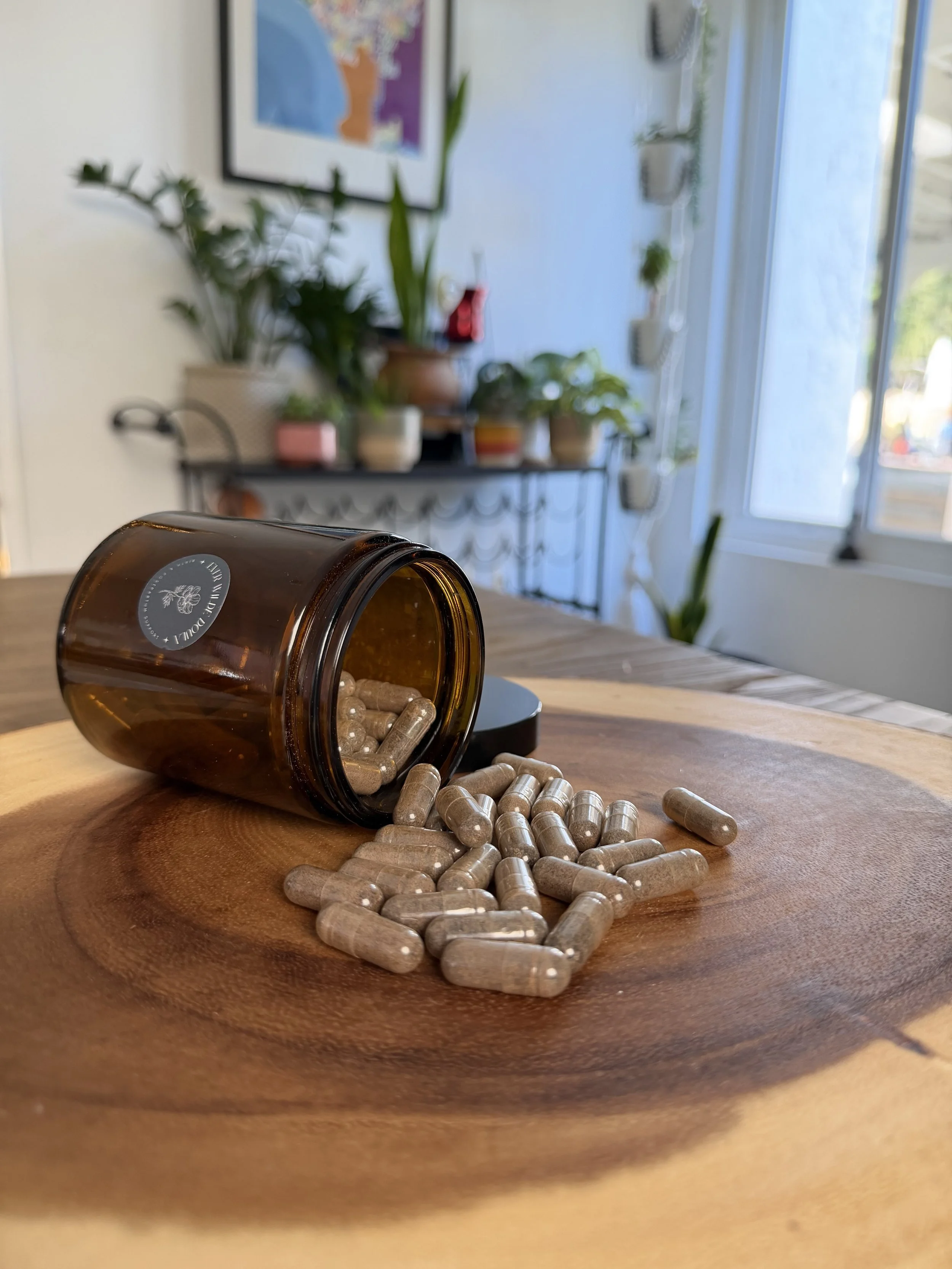
Depending on the size of your placenta and which preparation method you choose, your placenta will yield anywhere between 50-100 vegan capsules containing your dehydrated placenta powder. Your choices in preparation method are:
Traditional Method:
Inspired by (but not directly pulled from) TCM (Traditional Chinese Medicine), the Traditional Method or “TM” is when the placenta is steamed prior to dehydration for 40 minutes resulting in an internal temperature of 160° fahrenheit. After that, the placenta is dehydrated at 145 ° fahrenheit for 10-12 hours, ground into a fine powder and placed into vegan 00 capsules. In this method, the placenta is essentially “cooked” prior to dehydration which may reduce the chances of bacterial growth, however cooking the placenta prior to dehydration may reduce its potency and concentration of potentially beneficial hormones and minerals.
Raw Method:
Raw start method skips the steaming process and moves directly to dehydration of your placenta from its raw state. A raw start placenta is dehydrated at 160 ° fahrenheit for 12-18 hours (possibly longer), ground into a fine powder and placed into vegan 00 capsules. In this method, the placenta is not steamed or cooked prior to dehydration which does come with a potential increase risk of bacterial growth, however by omitting the steaming process, raw start placentas maintain their potency of potentially beneficial hormones and minerals.
For more in depth information about the differences, benefits and risks of these methods, my storage & processing protocols, my safety & sanitization protocols, usage guidelines, client responsibilities, informed decision making and contraindications to placenta encapsulation, please email me at sarahlovesbirth@gmail.com and I will send you my Placenta Services Packet.
Add on’s:
Placenta Tincture ~ $40
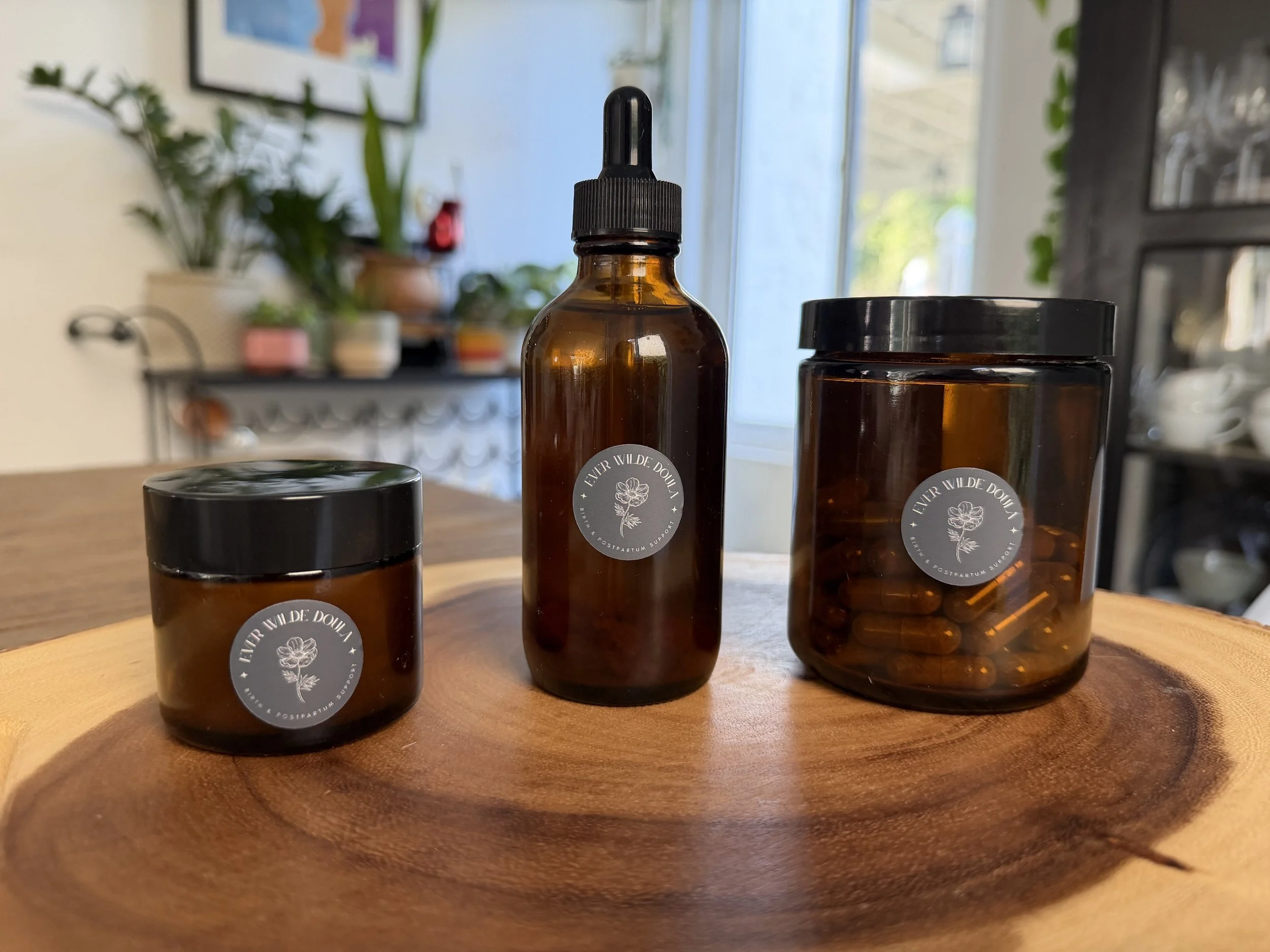
Placenta tincture is a concentrated liquid extract made from a small piece of your pre-dehydrated placenta (size of a thumbnail) and 150 proof grain alcohol that steeps for about 6 weeks after birth until its ready. It can be use when placenta capsules run out, during times of transition or hormonal shifts.
Placenta Salve ~ $50
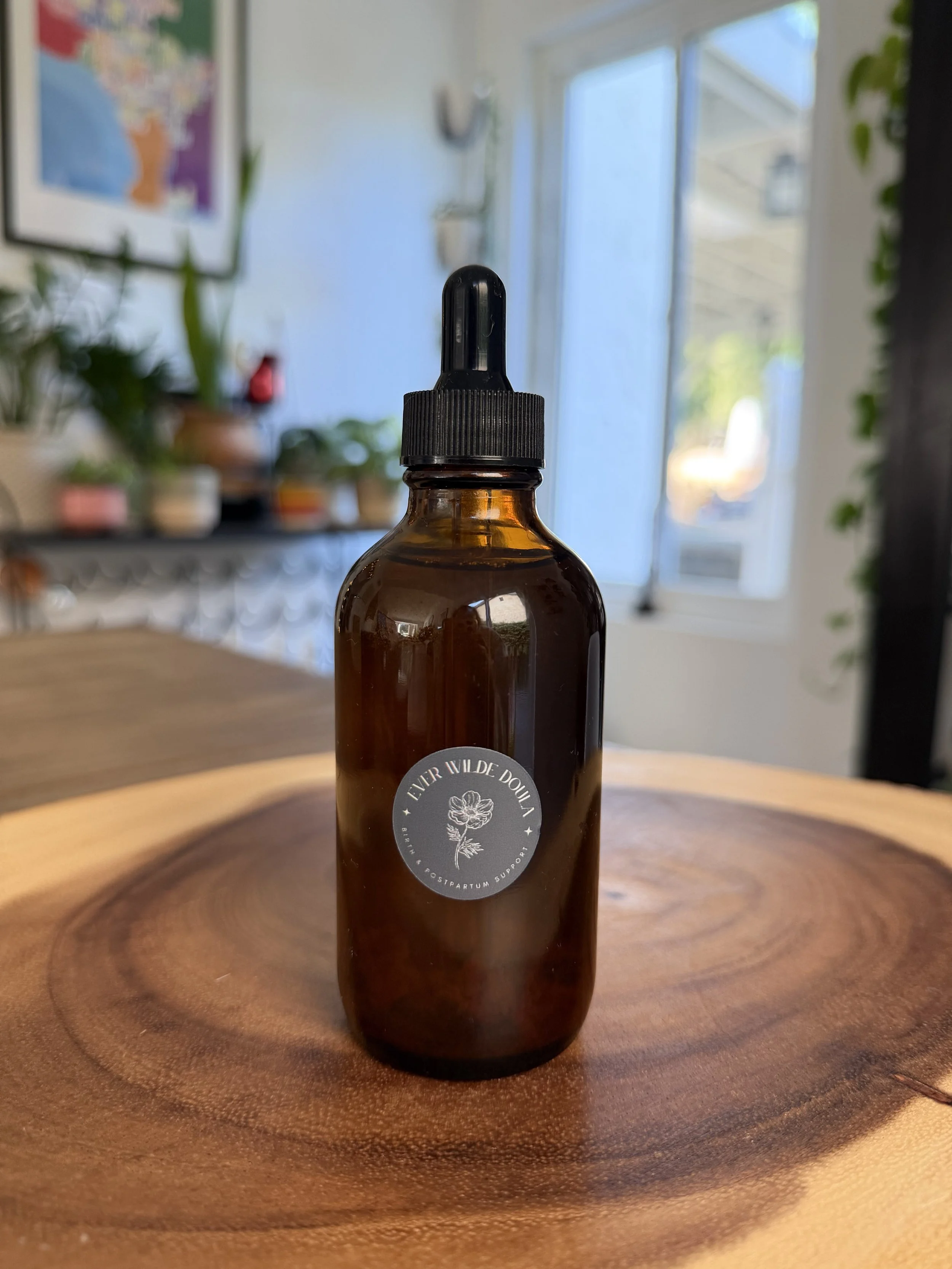
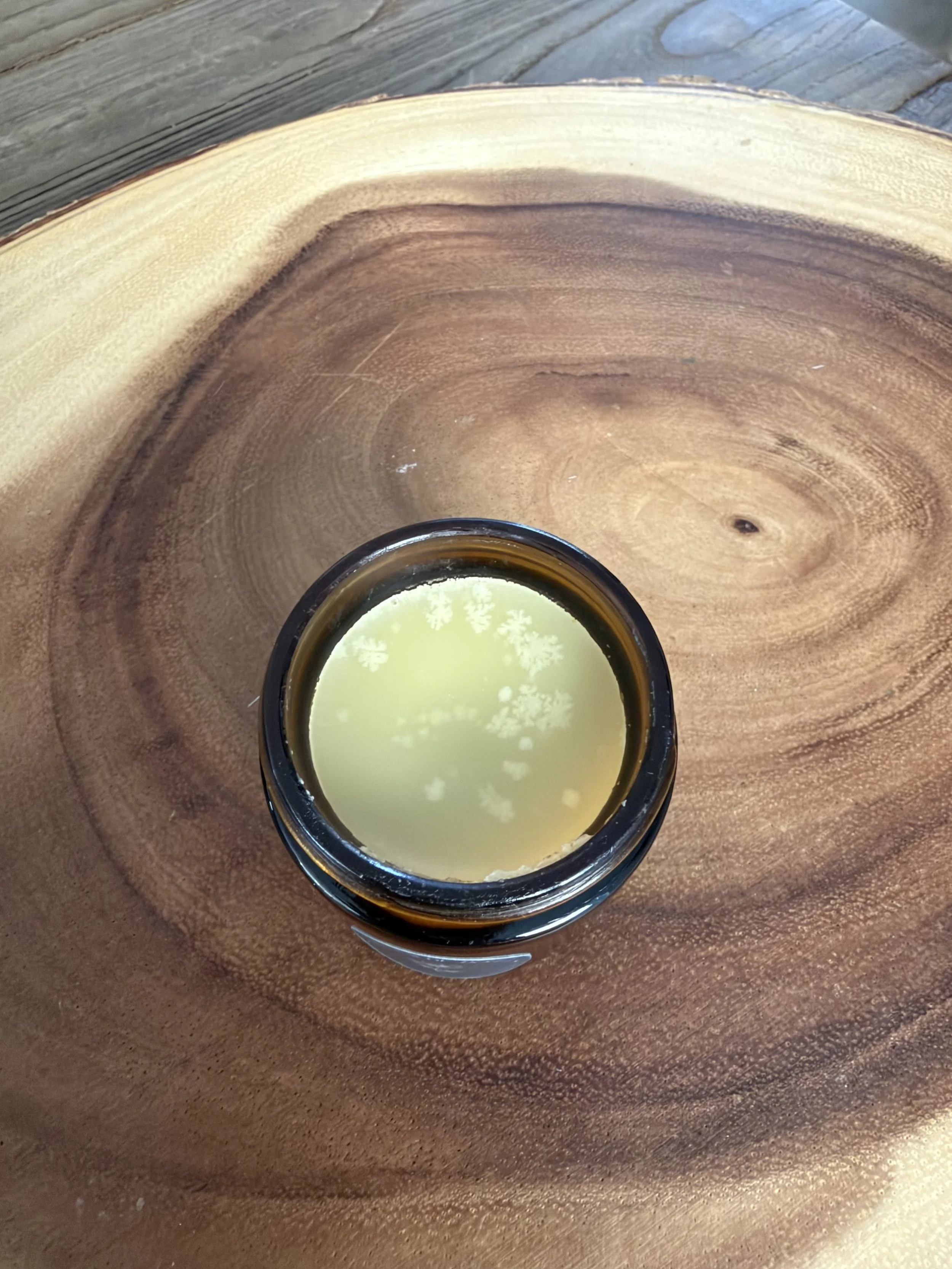
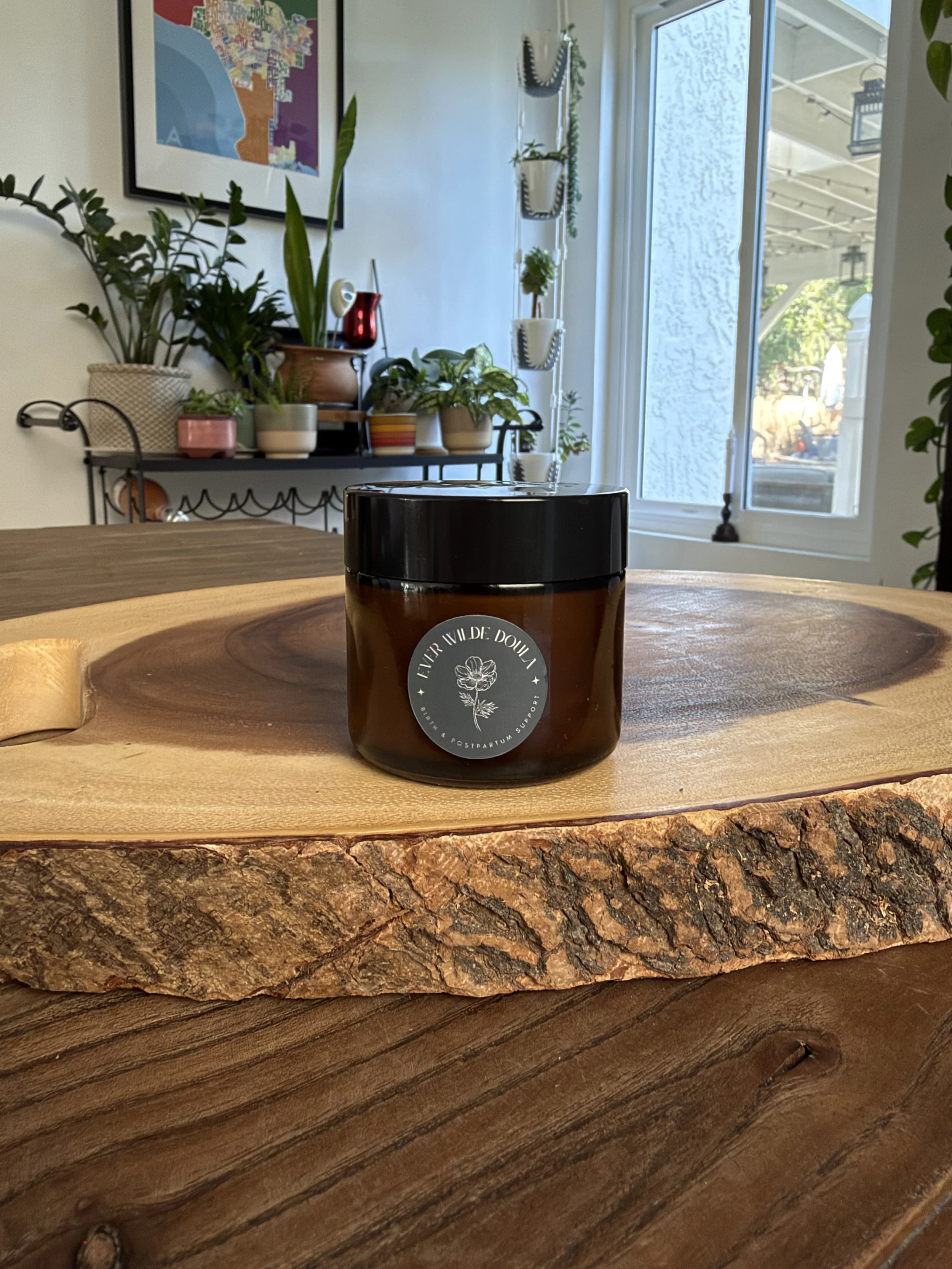
A placenta salve is an oil-based balm containing 4-5 capsules worth of your placenta powder combined with ingredients such as: coconut oil, bees wax, vitamin E oil, and infused with organic dried herbs like lavender and calendula. Placenta salves can be used on dry or irritated skin, scrapes, and healed cesarean scars.
Placenta Artwork
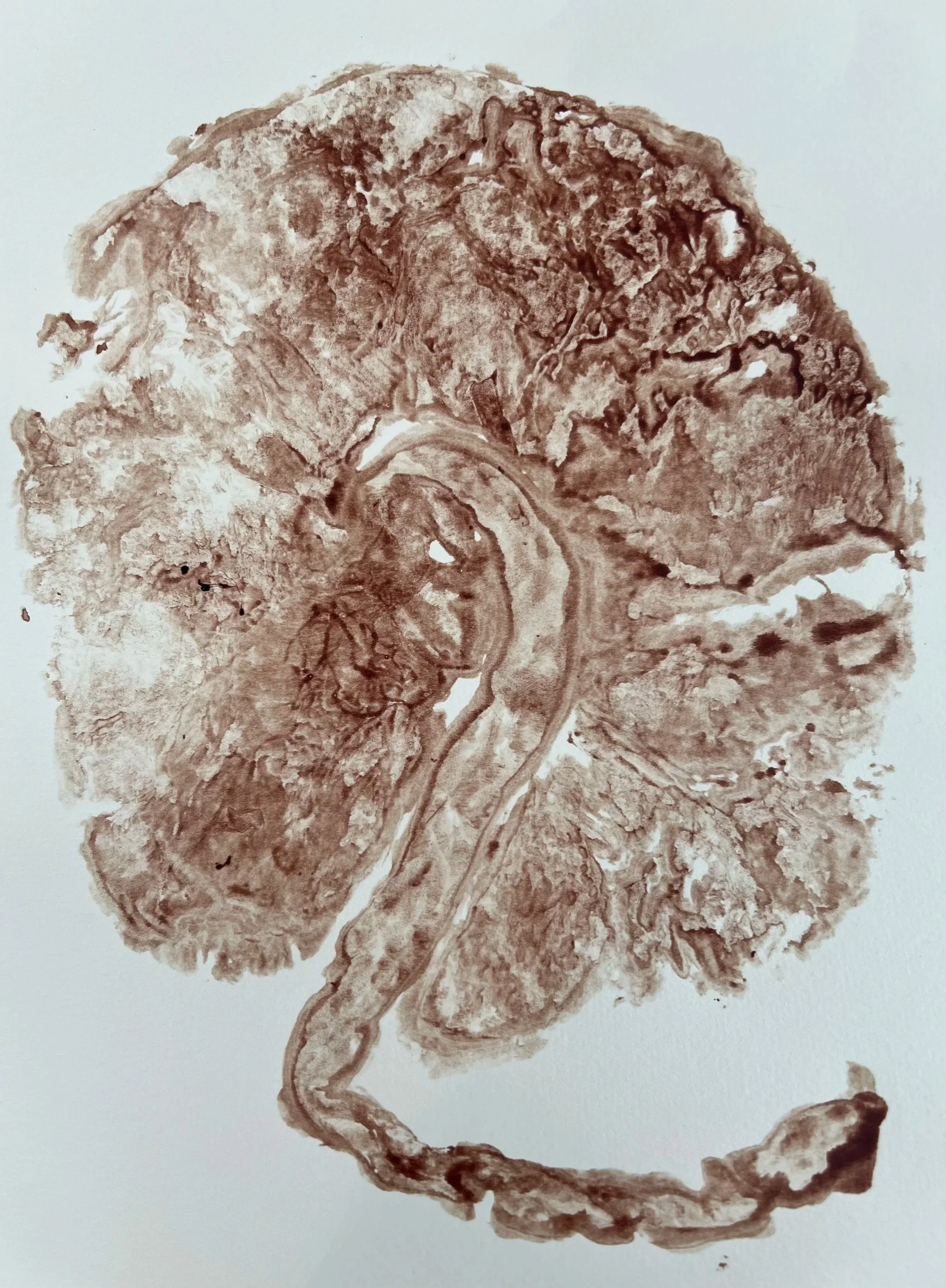
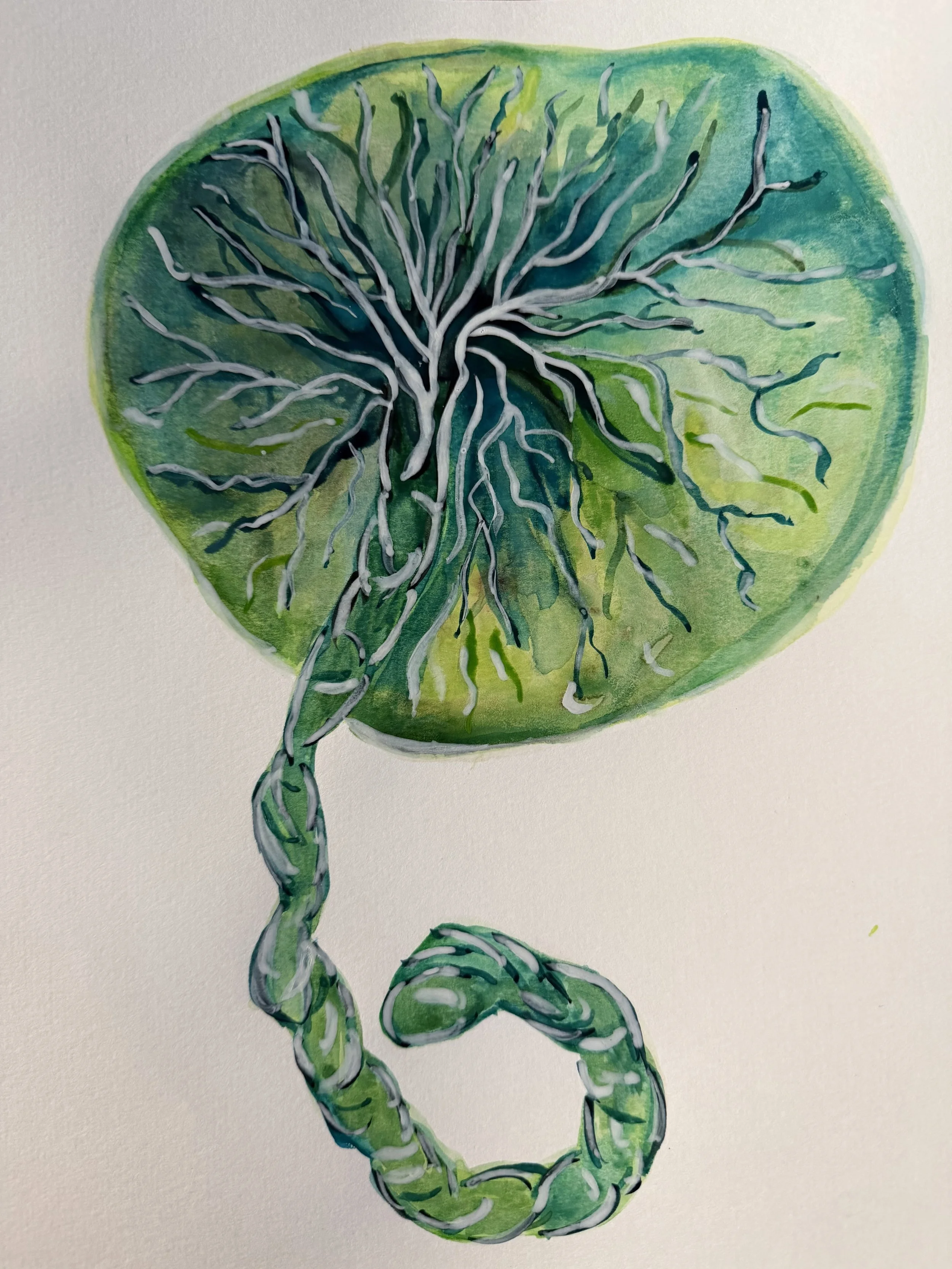
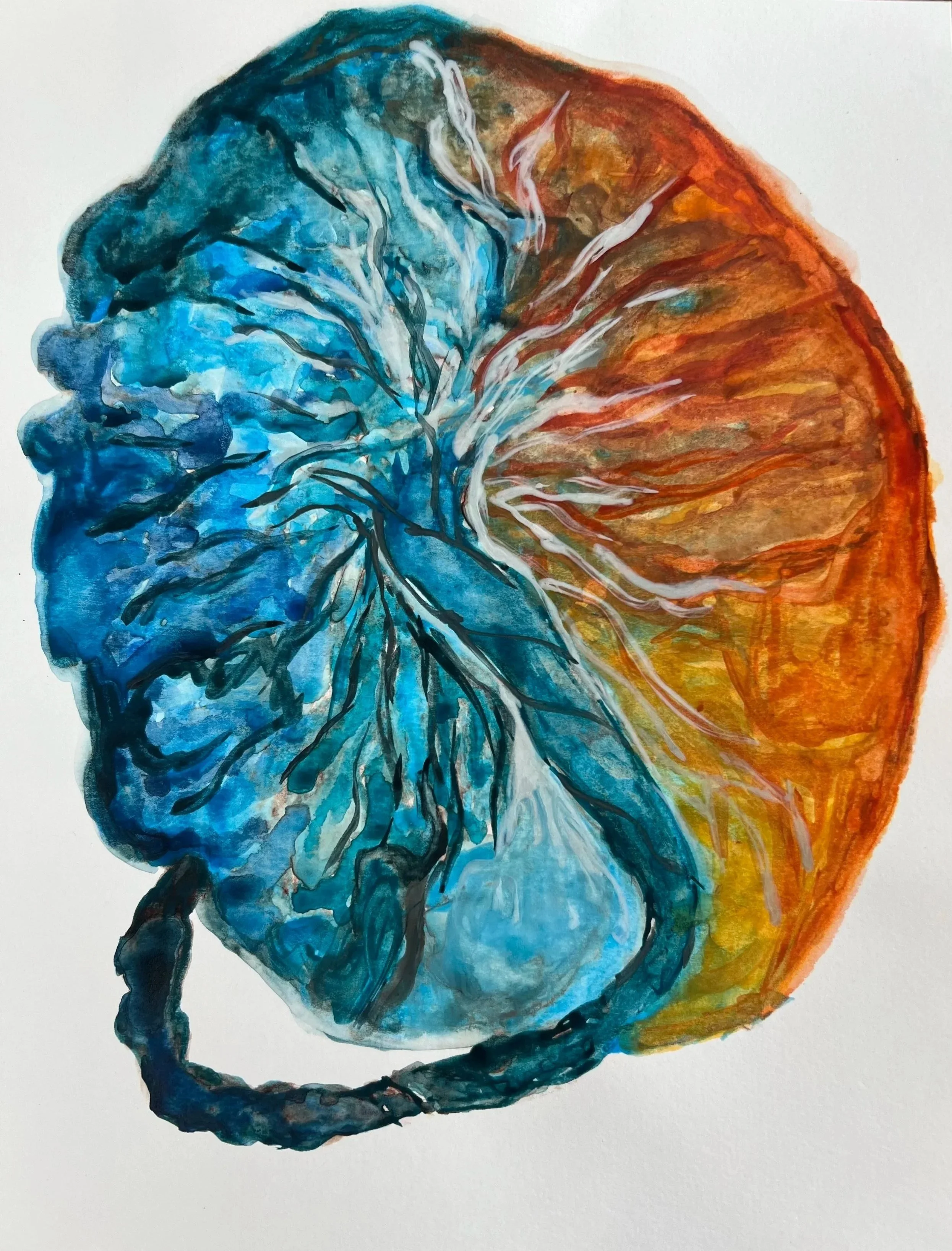
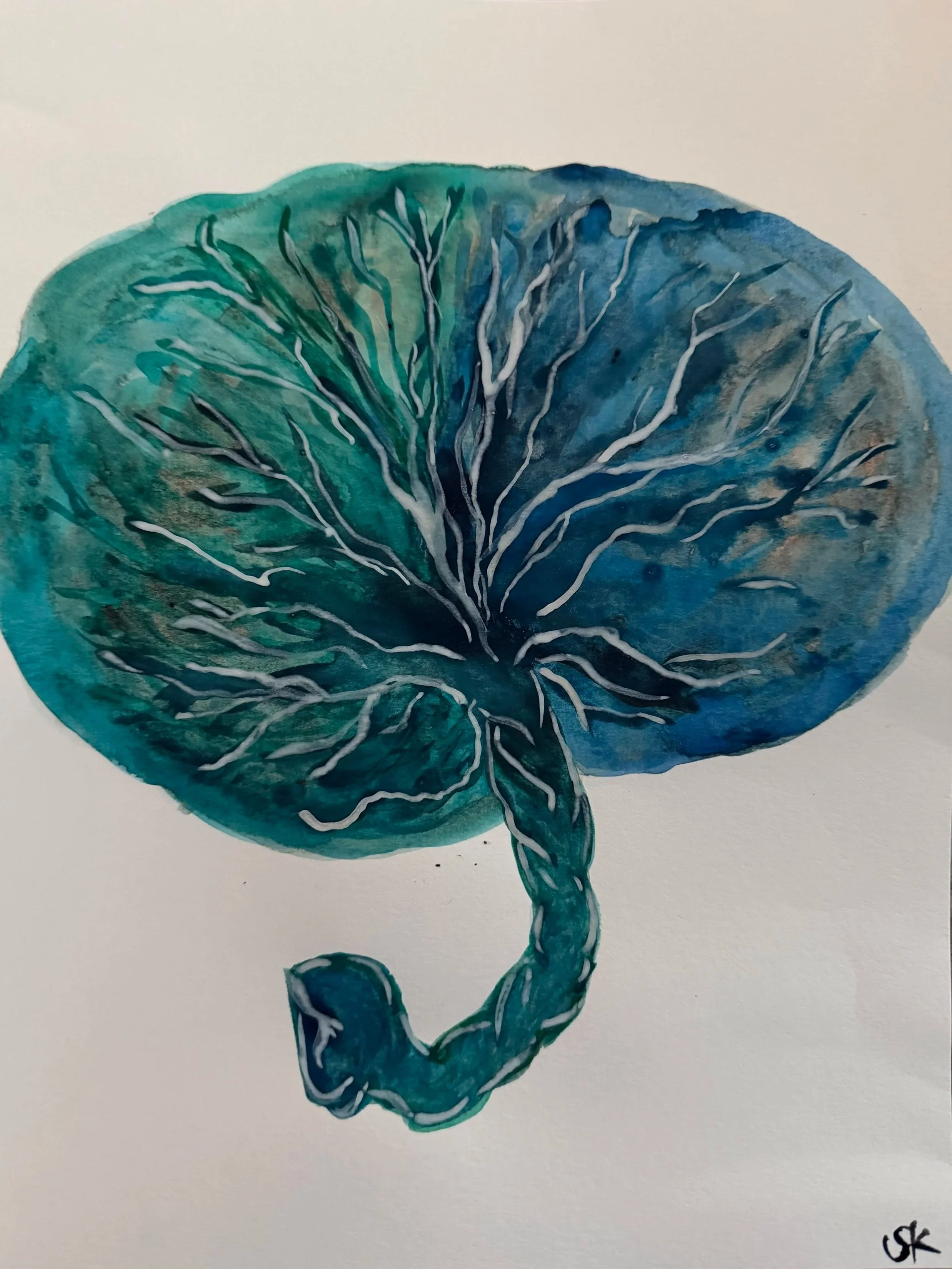
Placenta artwork or placenta “pressing” is a modern way to commemorate and honor the vital role your placenta played in your pregnancy. This artful keepsake is created by pressing a 9 x 12 inch piece of white 140 lb / 300 gsm heavy duty, acid free, high quality water color paper onto the fetal side (baby’s side) of the placenta capturing the “tree of life”. Placenta art prints are made prior to the commencement of the encapsulation process (if chosen). For those who do not wish to engage in Placentophagy, having a placenta art print is a great way to honor this sacred organ without consuming it. I offer 2 options for placenta art prints:
Placenta Print - Pressing ~ $35
This is simply a pressing of the placenta with its own blood, imprinted onto water color paper leaving an impression of the tree of life (fetal side). No other colors are added.
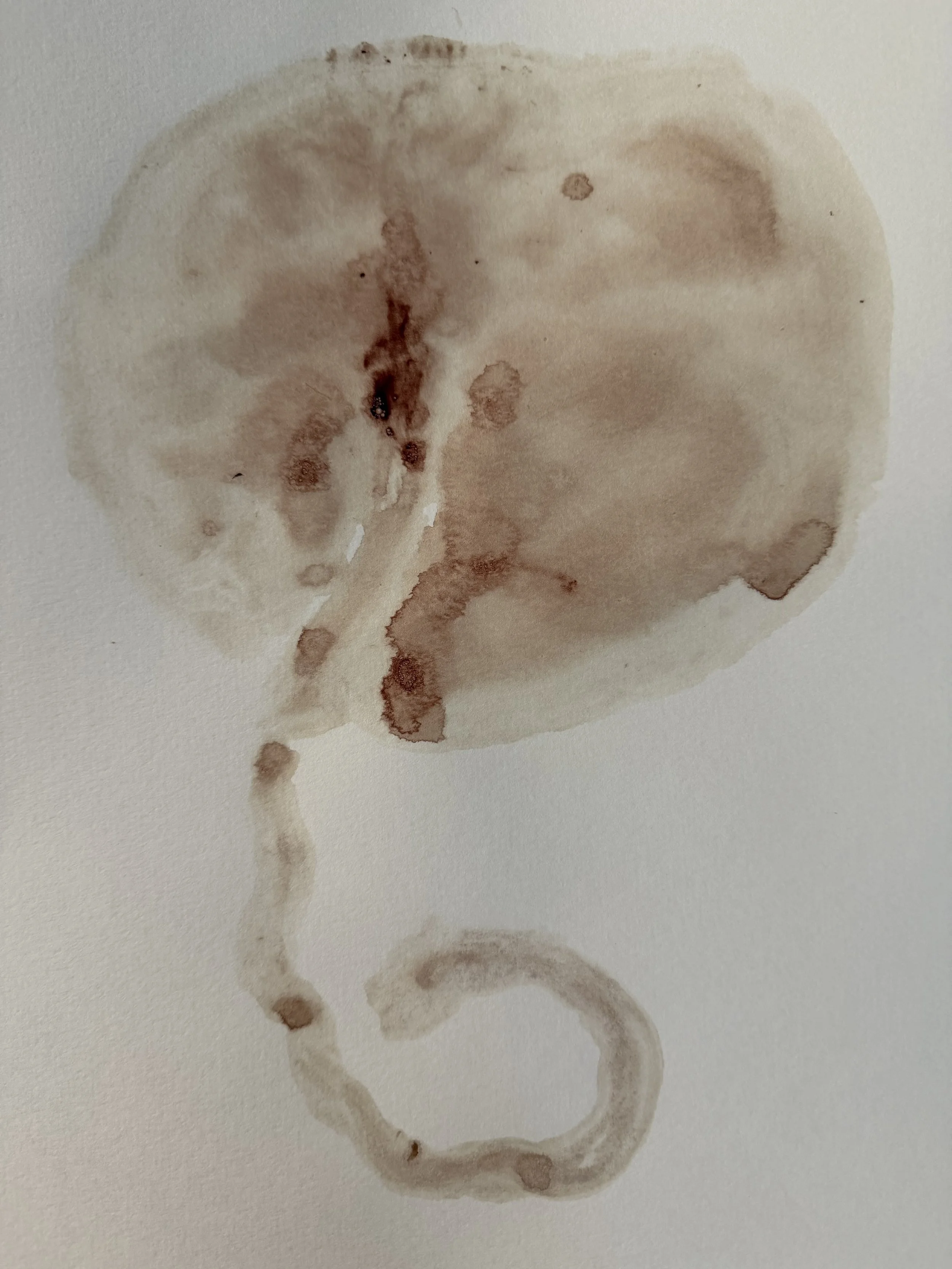
Placenta Print - Watercolor ~ $125
This is the placenta imprint that is left to dry to which water color paints are thoughtfully applied directly to the paper (never in contact with the placenta itself) to create a colorful tree of life image.
My Protocols
Space & Preparation
Placentas are processed in closed off, dedicated space within my home that is separate from my own kitchen to eliminate cross contamination and for the safety of everyone. Placentas are double bagged, sealed, labeled and stored in my dedicated placenta refridgerator/freezer and are stored according to food safety regulations. Placentas are processed one at a time in the dedicated workspace. The entire space (including countertop & sink) is cleaned and sanitized with bleach before and after each application. Plastic covering is placed over walls, backsplash and countertops in a 3 foot radius around the workspace to reduce the chances of cross contamination and prevent the spread of any potential pathogens. Supplies and equipment used to process the placenta are carefully selected to be seamless, single-piece construction, without grooves and fully submersible, so they can be properly cleaned and sanitized between uses. Items used that cannot properly be sanitized are disposable. Strict OSHA protocols are followed. I wear full PPE (personal protective equipment) such as: level 2 medical apron, n95 mask, medical hair net & shoe covering, safety goggles and gloves. Chucks pads and gloves are repeatedly removed and replaced throughout the process.
Processing Protocols
Regardless of which method you choose (TM or Raw), placentas are gently rinsed and examined. You will receive a placenta report with my observations (please note I am not a medical provider and do not make diagnosis of any kind) and photographs (if desired). After examination, I remove the umbilical cord and membranes. If you would like a umbilical cord keepsake, I set aside your cord. If selecting TM, your placenta and cord will be steamed in dedicated steamer pot with 2 inches of water below the steamer basket (water never actually touches the placenta itself). Food safety regulations are strictly followed to obtain an internal temperature of 160° and maintained for a minimum of 10 minutes. The placenta is then removed from the steamer pot and allowed to cool until it can be touched. On a new/clean disposable cutting board the placenta is cut in quarters. Each quarter is sliced extremely thin (thickness of a nickel) to ensure that moisture is removed evenly through every piece. Placenta slices are laid out on parchment lined dehydrator trays along with the cord (if keepsake is requested). This is the same for either TM or Raw methods.
The following dehydrator settings and timings are strictly followed: Traditional Method: 145° for a min of 10 (may be 12 hours or more until “snap dry”). Raw Method: 160° for a min of 12 hours (may be up to 18 hours or more until “snap dry”). Once doneness is confirmed, the slices are broken down into smaller pieces and ground into a fine powder in a dedicated grinder. The powder is placed into 00 sized vegan capsules using a capsule press. Each capsule is inspected before being placed in an 8oz amber jar with a food grade silica gel desiccant packet to keep potential moisture out. If you requested a cord keepsake, it will be placed in a 100% cotton muslin drawstring bag.
Safety & Sanitization
Before placenta processing begins, Clorox Healthcare Bleach Germicidal Wipes are used to wipe down the sink, faucet, countertop and surrounding areas. After 10 minutes, the same area is rinsed and dried with a paper towel before plastic coverings are placed to cover the “splash” zone. Note: germicidal wiped surfaces do not come into contact with the placenta as they are not considered food grade safe. Once all plastic coverings and chuck pads are in place, and all equipment is out and ready, the process can begin.
After the placenta is in the dehydrator (this is considered “Day 1”), all disposable items are safely discarded and the cleaning and sanitizing process begins. Cleaning involves: submerging and rinsing any reusable tool or piece of equipment in hot soapy water and fully washing to remove any blood or placenta particles (including the sink itself). Everything is then rinsed with cool clear water.
Sanitizing happens after cleaning which involves: preparing a specific bleach solution that has a minimum of 5000ppm or 5.25% sodium hypochlorite. I use Clorox Pro Germicidal Concentrated Bleach with 8.25% sodium hypochlorite which is then mixed with clean cold water with a 1:16 ratio. This mixture is prepared fresh every 24 hours. After cleaning, all tools and equipment are left fully submerged for at least 10-15 minutes to kill any bacteria or pathogens that may be present. After soaking, all items are rinsed with hot water and left to air dry on a sanitized surface.
My Training
I have completed the training and certification process with the Association of Placenta Preparation Arts (APPA) through which I am a Certified Placenta Arts Specialist. APPA is an international organization known for its evidenced-based training and rigorous safety protocols. Click here to learn more about APPA. I also re-certify with OSHA’s Bloodborne Pathogen Training for Placenta Service Providers on a yearly basis. To see my training certificates please visit My Training page.
What is Placentophagy?
Placentophagy is the intentional consumption of the human placenta through encapsulated dehydrated placenta. The practice of consuming the placenta after birth is common among most mammals in the animal kingdom (with the exception of camels, alpacas, llamas and some marine mammals), but less so with humans. Still, more families are becoming curious about the practice and may wonder if its right for them.
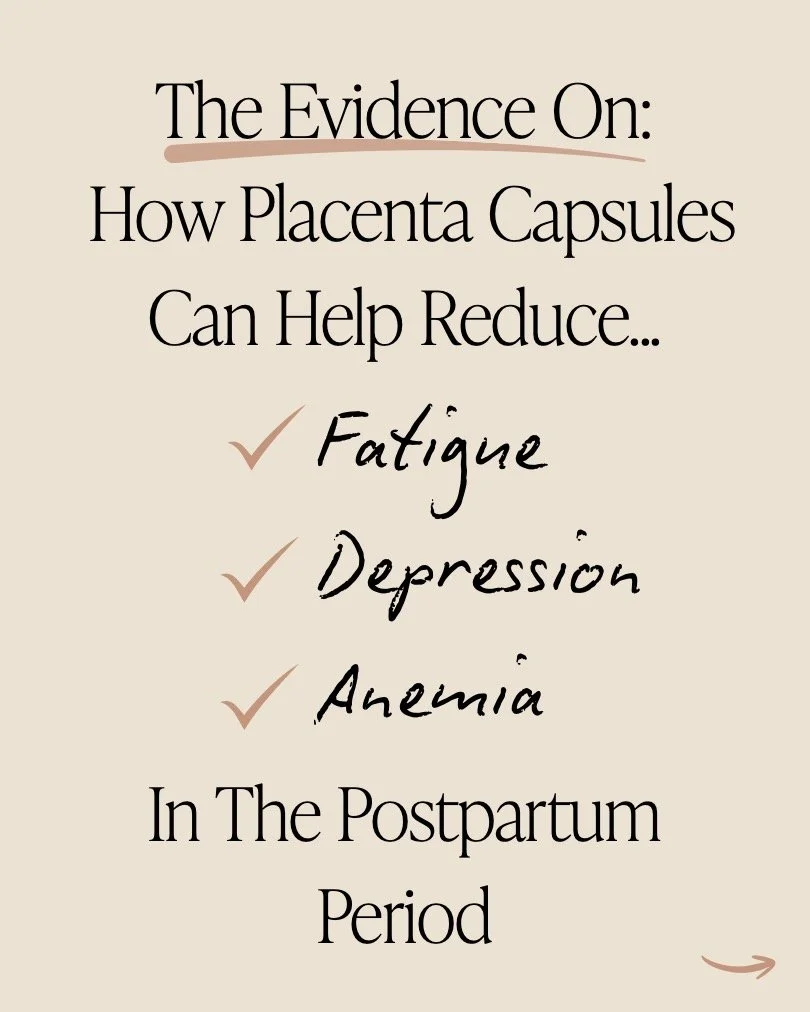
Everyone’s body is unique, so experiences with placenta capsules can vary. Many people who have used them have reported positive effects such as: improved mood, increased energy, increased lactation / milk supply, support with hormone balance, helped combat anemia, accelerated recovery and other effects. In one study, the majority (96%) of those self-reporting say they had a positive experience and 98% say they would do it again*.
More research is still needed to better understand the potential benefits and risks of this practice which is why medical providers may have questions or may hesitate to support it. At the same time, people’s lived experiences matter. Every family has its own unique beliefs and values, and I firmly believe in informed choice and in every family’s right to make the decision that feel right for them. The evidence we do have available so far is encouraging.
*Study: Human Maternal Placentophagy: A Survey of Self-Reported Motivations and Experiences Associated with Placenta Consumption. Author: Sharon M. Young et al. 2013. Link: https://www.tandfonline.com/doi/abs/10.1080/03670244.2012.719356
Placenta Research
Feel free to browse my library of Placentophagy research below. Each image is clickable. These are summaries I created based on the most relevant research made available to me through my training and certification with Association of Placenta Preparation Arts (APPA). Feel free to reach out with any questions (sarahlovesbirth@gmail.com):